Advanced Centre for Chronic and Rare Diseases
A diagnosis is only the beginning.
People living with rare and chronic conditions often need more than one specialist, one test or one hospital visit. ACCORD Asha is being built to connect diagnosis, continuing care, rehabilitation, research and family support.
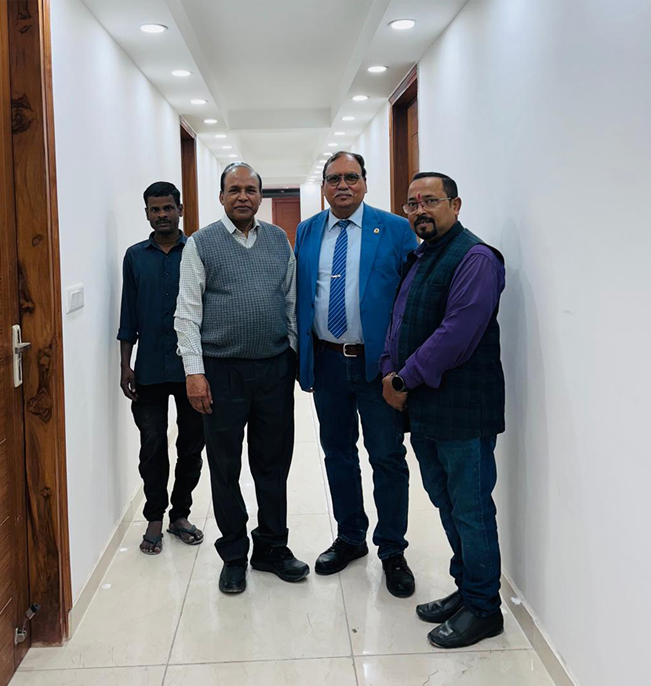
Care is hardest between appointments.
Rare and chronic conditions expose fragmentation in healthcare. Families frequently coordinate specialists, tests, therapy, medicines, travel, paperwork and follow-up themselves.
ACCORD's role is to help make care more continuous.
How ACCORD can help
Diagnosis & Investigation
Genetic, molecular, biochemical and other appropriate diagnostic pathways.
Explore rare disease careCoordinated Chronic Care
Long-term conditions need continuity, monitoring and coordination, not disconnected episodes.
Explore chronic careRehabilitation
Physiotherapy, occupational rehabilitation, functional support and appropriate referrals.
Explore rehabilitationPatient & Family Support
Help families understand pathways, prepare for consultations and navigate continuing care.
For patients & familiesResearch
Build evidence, collaboration and translational research around underserved conditions.
Research at ACCORDPalliative & Supportive Care Planned
Support quality of life when cure is not the only measure that matters.
Explore supportive careRare does not mean alone.
An individual disease can be uncommon while the collective burden is substantial. Across the world, thousands of recognised rare conditions together affect millions of families — and behind each diagnosis is a household arranging its life around care.
ACCORD exists so that fewer families have to arrange that life alone.
Start with your situation.
Start with your situation. We'll help you find the next step.
Do you already have a diagnosis?
For families looking for coordinated continuing care or another clinical perspective.
Start hereDo you need rehabilitation or continuing support?
For function, mobility, therapy, adaptation and quality-of-life support.
Start hereAre you a clinician or institution?
For referrals, diagnostics, research and collaboration.
Start hereExplore ACCORD.
Practical routes into our services, knowledge and support.
Rare disease diagnosis
When symptoms stay unexplained, a structured evaluation can move things forward.
Genetic counselling
What a diagnosis means for you, your children and your relatives.
Second opinion
Another clinical perspective on an uncertain diagnosis or a plan that is not working.
Undiagnosed & complex conditions
Care that does not wait for a name, while the search continues.
Caregiver support
Support for the people carrying the day-to-day load.
Rare disease centre in New Delhi
Where we are, and how to reach us from across Delhi NCR.
Care should help people live.
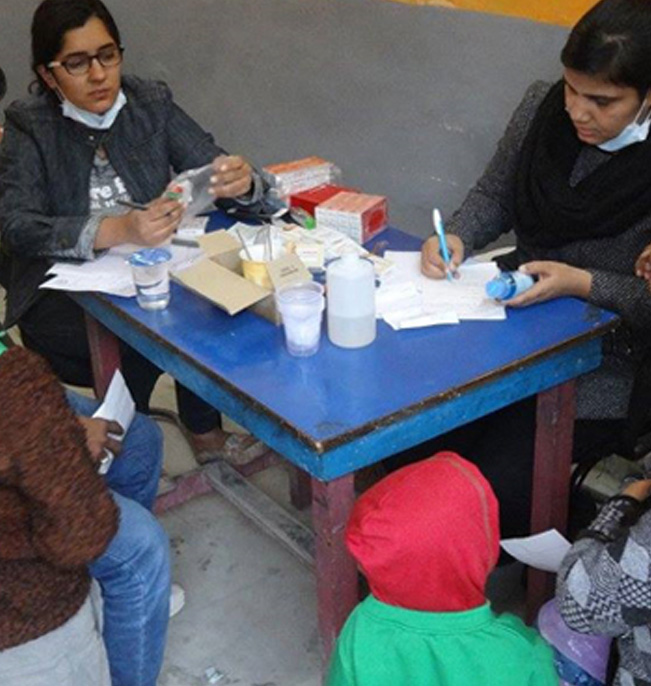
Rehabilitation is part of long-term care, not an afterthought. Depending on the condition and stage, it may involve:
- Physiotherapy
- Occupational therapy
- Mobility support
- Pain management
- Speech and swallowing support
- Respiratory rehabilitation
- Neurological rehabilitation
- Paediatric developmental support
- Assistive-device guidance
- Caregiver training
- Home-care planning
- Psychological support
- Palliative and supportive care
Services are clearly marked as Available at ACCORD Available through referral Planned — we never imply a service exists before it does.
Built from inside the system.
Prof. Sarman Singh
Founder & Director
Prof. Sarman Singh has spent more than four decades in medical research, teaching and hospital administration, including leadership at AIIMS Bhopal. Over those years he saw the same pattern again and again: diagnosis after diagnosis, followed by fragmented, disconnected care for the years that follow.
ACCORD Asha is his answer to that pattern — a centre dedicated to what happens after diagnosis.
Read our storyA centre for continuity.
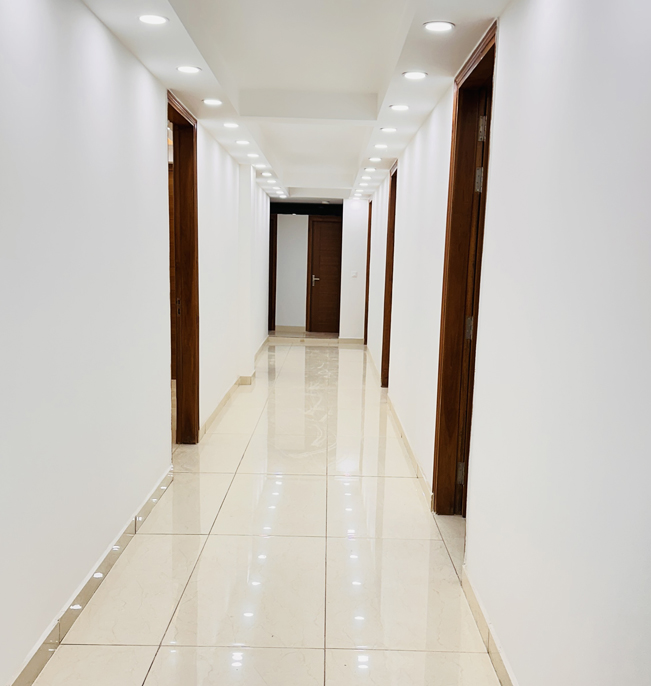
ACCORD's existing building in South Delhi houses consultation and basic diagnostic infrastructure. Development continues in phases:
Foundation
Existing building, consultation and basic diagnostic infrastructure.
Phase I
Advanced diagnostic and research infrastructure.
Phase II
Hospice, palliative and family-support capacity.
Phase III
Clinical trials and translational research.
Exact status of each phase is confirmed with ACCORD before publication. (Status shown here pending DATA-VERIFY review.)
Rare problems need uncommon collaboration.
ACCORD works with hospitals, universities, government, CSR teams, foundations, industry and patient organisations.
Hospitals & clinicians
Referrals and shared care pathways.
Universities & researchers
Joint research and training.
Government
Programmes and public health capacity.
CSR teams
Diagnostic access and rehabilitation funding.
Foundations & philanthropy
Concrete projects, not generic appeals.
Patient organisations
Peer support and shared knowledge.
Begin with a conversation.
Advanced Centre for Chronic and Rare Diseases
13, Gaushala Rd, Ansal Villas
Satbari
New Delhi 110074, India
Open Monday to Friday, 9:00–17:00.
Medical emergency: ACCORD's website and contact channels are not emergency services. For a medical emergency, contact your nearest emergency department or emergency service.